
Abstract cardboard sculpture sits at the intersection of fine art and everyday recycling. Europe leads global paper and cardboard recycling efforts, achieving a 75.1% rate in 2024—higher than North America's 68.2%—with 53.4 million tonnes recycled out of 71.1 million tonnes consumed. Worldwide, production reached about 423 million tons annually, though specific global cardboard recycling rates hover around 60-70% similar to the U.S., driven by markets projected to grow from $44.82 billion in 2023 to $62.77 billion by 2031.
Key Takeaways
| Question | Short Answer |
|---|---|
| What is abstract cardboard sculpture? | It’s three‑dimensional or relief artwork built from recycled cardboard and often paper pulp, focusing on shapes, textures, and colour rather than realistic subjects. For a curated overview of this style, explore the abstract wall art collection. |
| Is cardboard strong enough for sculpture? | Yes. Layering, corrugation, and sealing with paints or paper mache turn simple boxes into durable relief sculpture cardboard pieces suitable for long‑term display. |
| What materials pair well with cardboard? | Paper pulp, linoleum paint, acrylics, and newspaper for paper mache are popular. To understand how plant fibers become sculptural surfaces, read what is paper pulp. |
| Can I make DIY cardboard wall art as a beginner? | Yes. Start with diy cardboard wall art in simple geometric cuts, or combine newspaper paper mache with a base cut from a shipping box. For step‑by‑step guidance, see this complete tutorial on pulp techniques: how to create beautiful paper pulp art. |
| What’s the difference between cardboard art and paper‑pulp art? | Cardboard art usually keeps the flat sheet visible, while paper‑pulp art grinds paper or plant pulp into a clay‑like mass. Many artists, including Lisa Ketty, blend both. Browse mixed pieces in the paper pulp artwork collection. |
| Where can I see original cardboard sculptures? | Handmade works like zig‑zag reliefs and abstract diamonds are available in the cardboard original artwork collection, showing how far this medium can go beyond “craft.” |
| Who is behind these artworks? | Artist Lisa Ketty focuses on sustainable abstract cardboard sculpture and pulp reliefs. You can learn more about her practice at about Lisa Ketty. |
1. What Makes Abstract Cardboard Sculpture Different from Regular Wall Art?
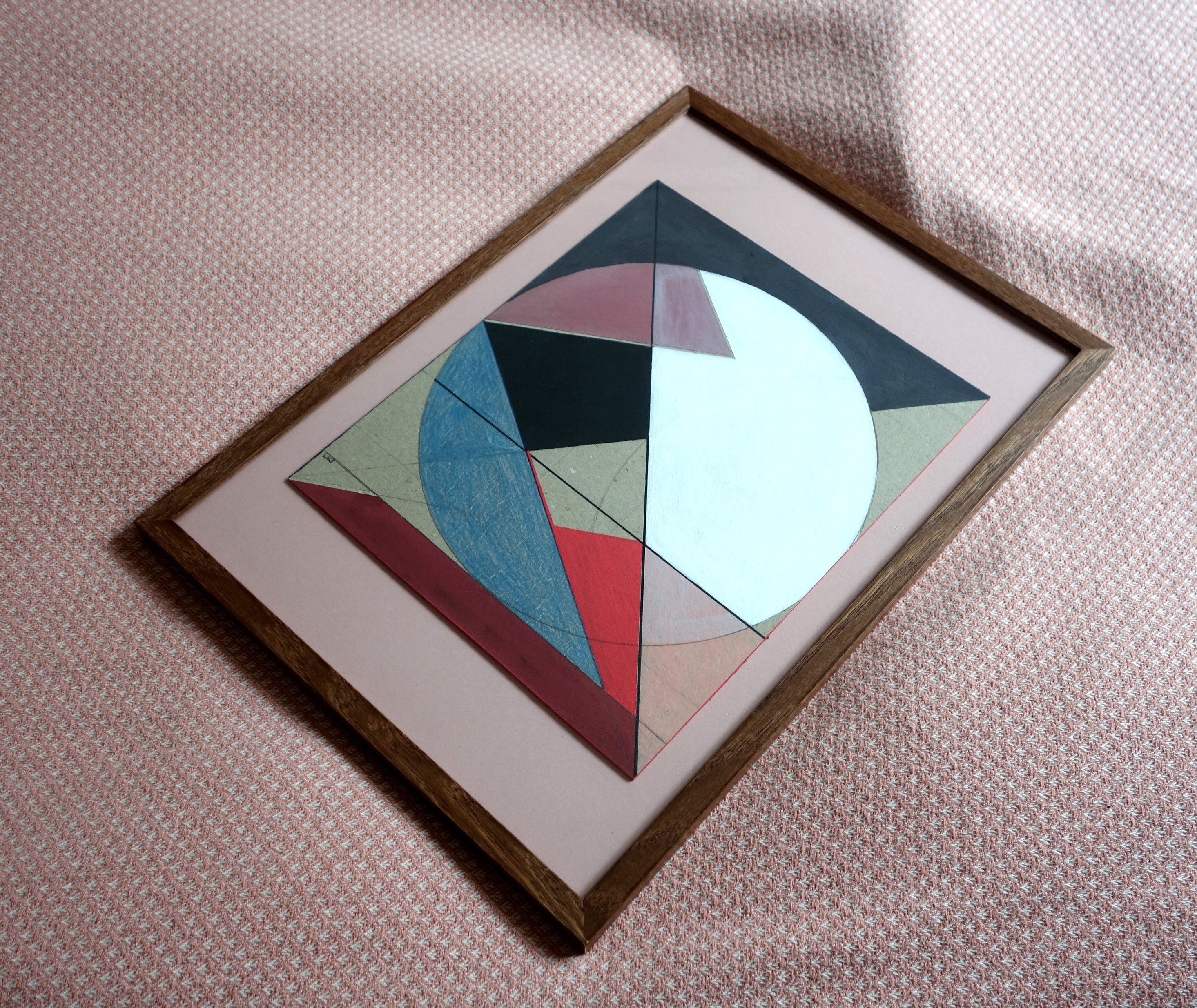
Abstract cardboard sculpture treats cardboard as a structural material, not just a backing board. Instead of lying flat behind a frame, it is cut, layered, peeled, and sometimes carved to create depth and shadow. This is where pieces become true relief sculpture cardboard works, catching light like low‑relief stone or wood carvings.
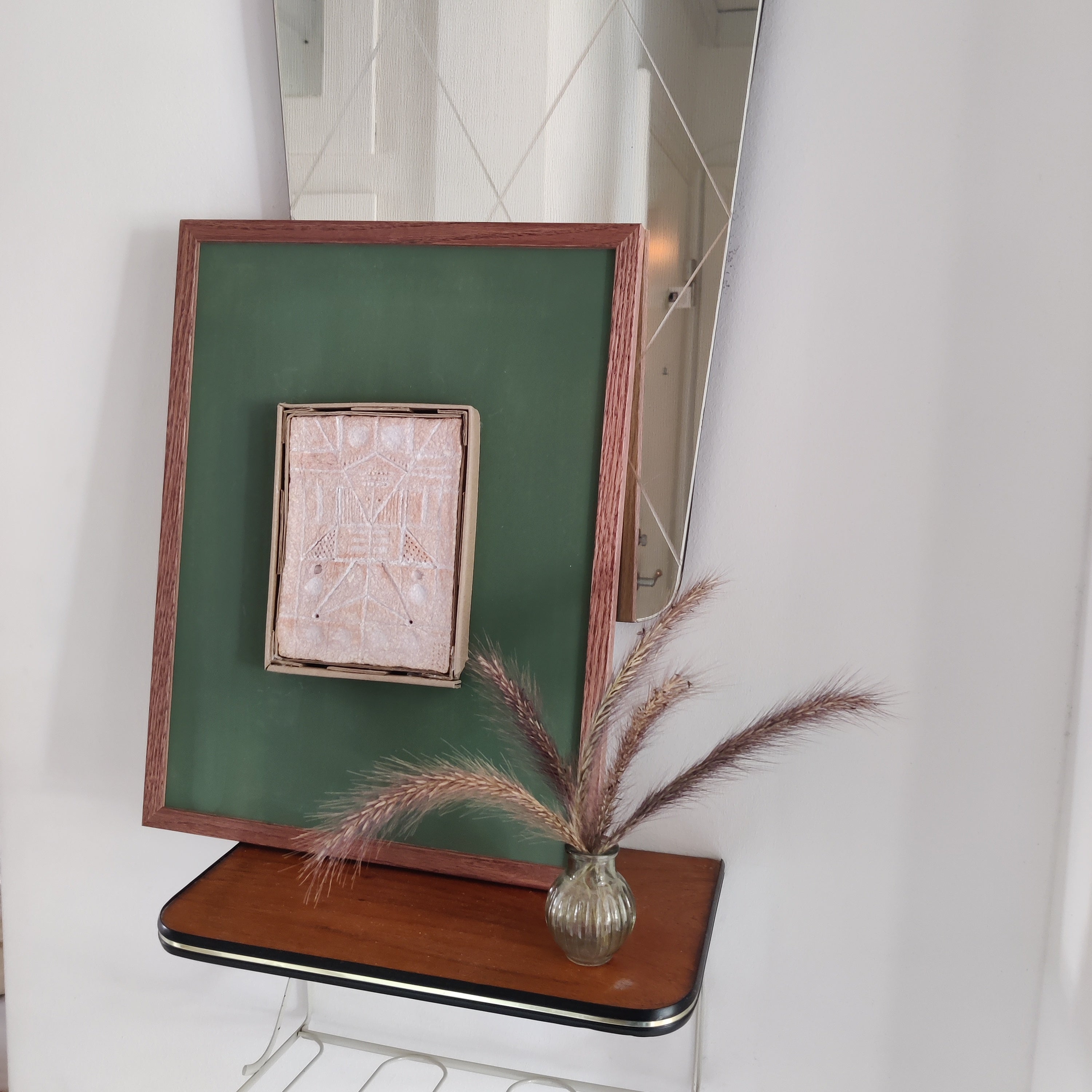
Many artists pair cardboard with paper clays and fiber pulps, so surfaces feel almost ceramic while staying light enough to hang on a single nail. That’s what you see in mixed‑media works that bridge cardboard wall art DIY traditions with more sculptural paper‑pulp wall pieces.
2. Key Materials: Cardboard, Paper Pulp, and “Easy” Paper Mache Recipes
The backbone of any abstract cardboard sculpture is corrugated board. Shipping boxes, packaging inserts, or pre‑cut sheets all work. For more organic forms, artists add paper pulp made from blended recycled paper and plant fibers, giving a clay‑like body that bonds well to cardboard armatures.
If you’re aiming for easy papier-mache, classic papier-mache still does the job. Tear newspaper for papier-mache into strips, dip in a glue‑and‑water mix, and layer over a cardboard base. For smoother finishes, switch to construction paper mache or pulp made from coloured paper, then carve or sand once dry to echo the texture of professional plant‑pulp panels.
3. From Flat to 3D: Techniques for Cardboard Relief Sculpture
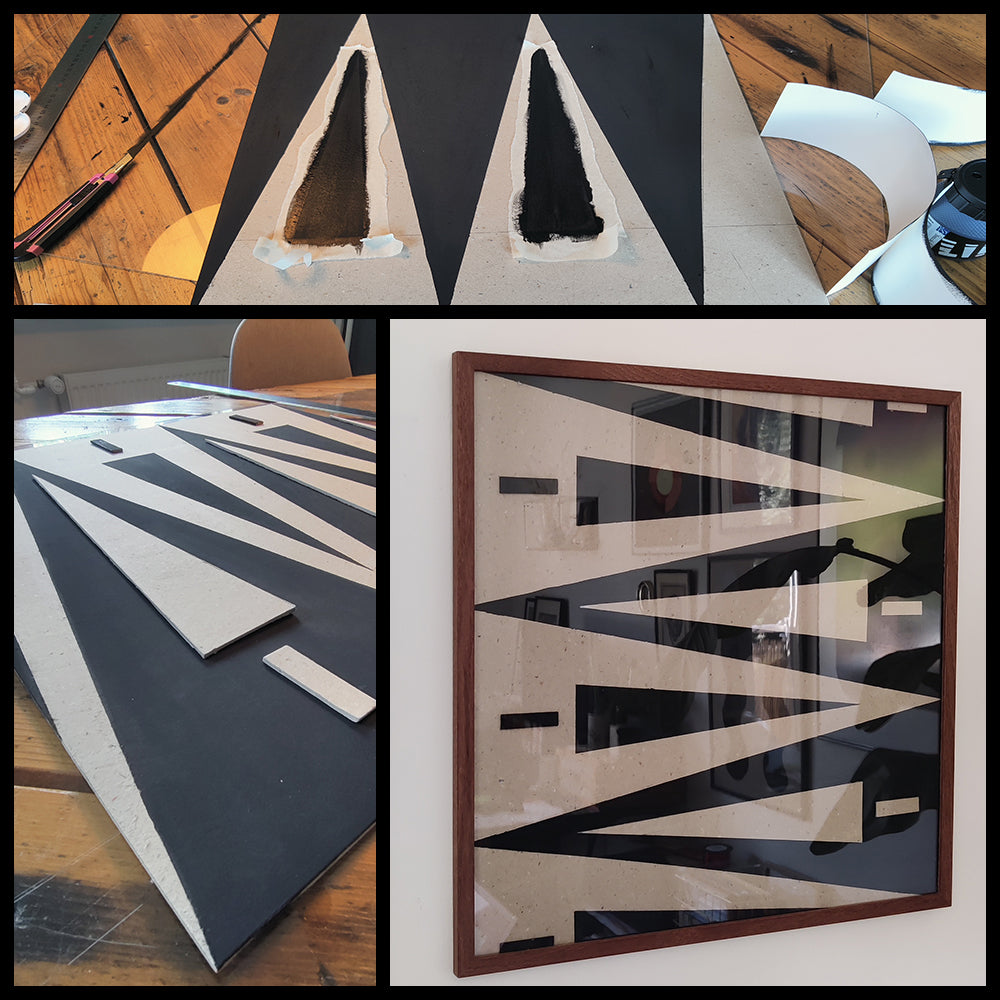
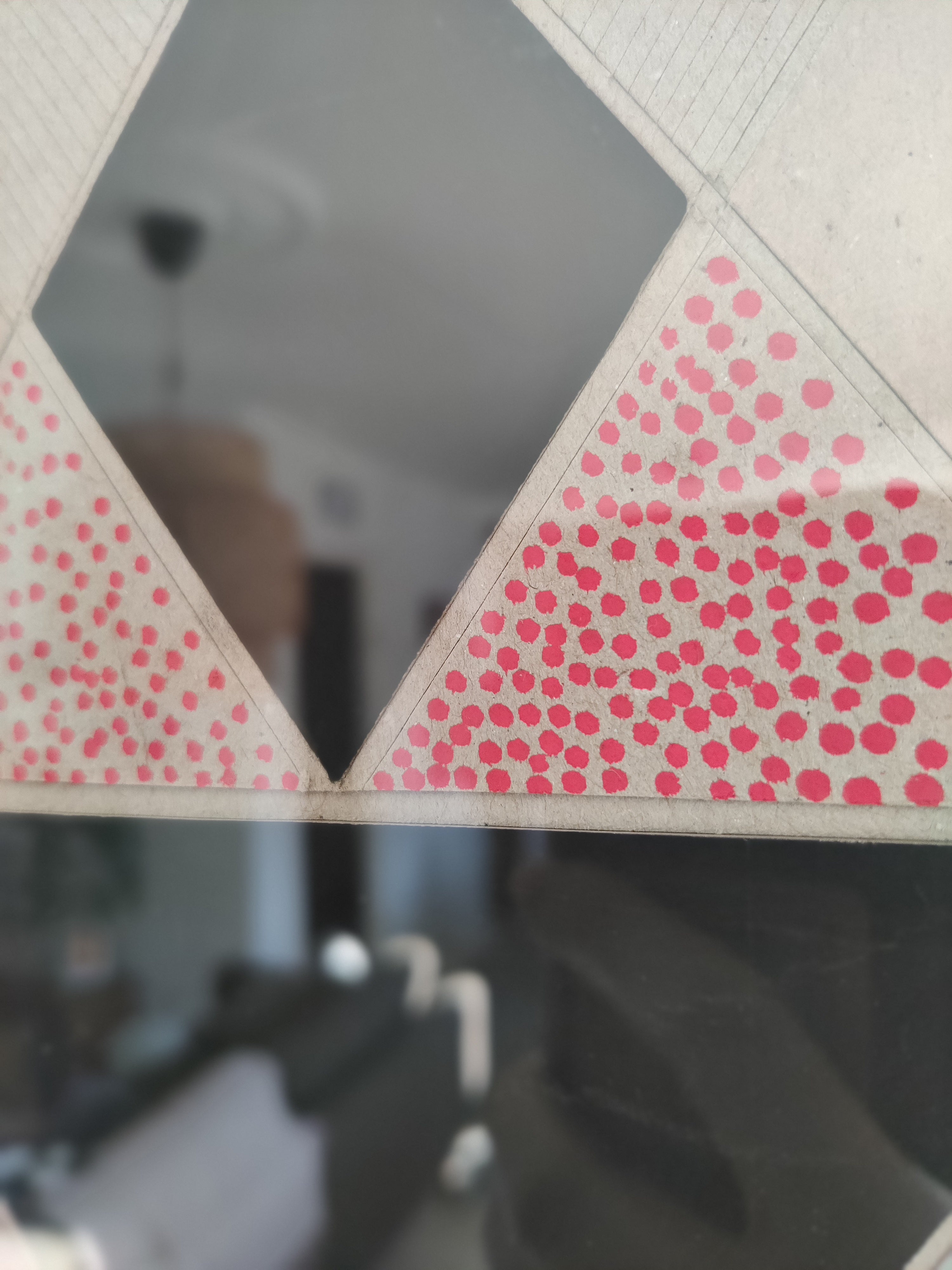
Turning a flat sheet into a convincing cardboard relief sculpture comes down to three moves: cutting, stacking, and peeling. Artists cut multiple shapes, glue them in layers, then peel away the top paper layer of corrugated board to expose the wavy inner structure. This adds fine detail that reads almost like engraving.
In pieces like the Original Diamond cardboard artwork (around €341), carved channels and peeled layers break up painted surfaces so the diamond motif feels like it rises from the board. Zig‑zag constructions, by contrast, build outward with many small triangular units to catch shadow from every angle.

4. Abstract Cardboard Sculpture in Poster Form: Prints of 3D Originals
Not every home can host a full three‑dimensional sculpture, so many artists translate their cardboard pieces into high‑quality posters. These prints preserve the textures, cuts, and colour blocking of the originals while staying affordable and easy to frame. They’re an accessible gateway into abstract cardboard aesthetics.
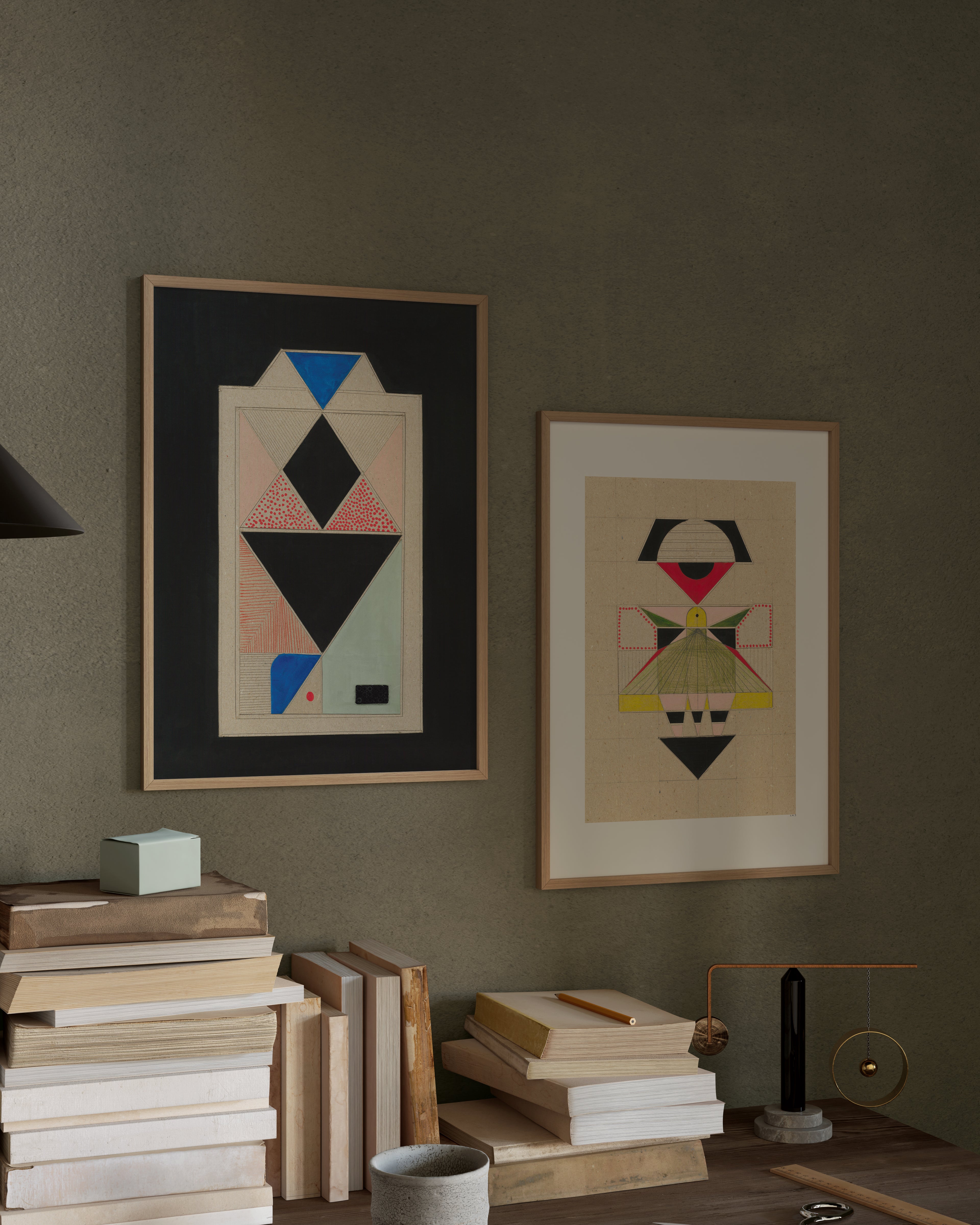
Posters such as Modern Geisha Geometry (about €68) are built from photographed and digitised cardboard compositions, then printed on archival paper. The original sculpture uses upcycled cardboard, bold linoleum paint, and geometric patterning, which all remain visible in the print’s fine detail.

5. Turning Sculptures into Minimal Prints: “A Drop Of Milk” and Geometric Posters
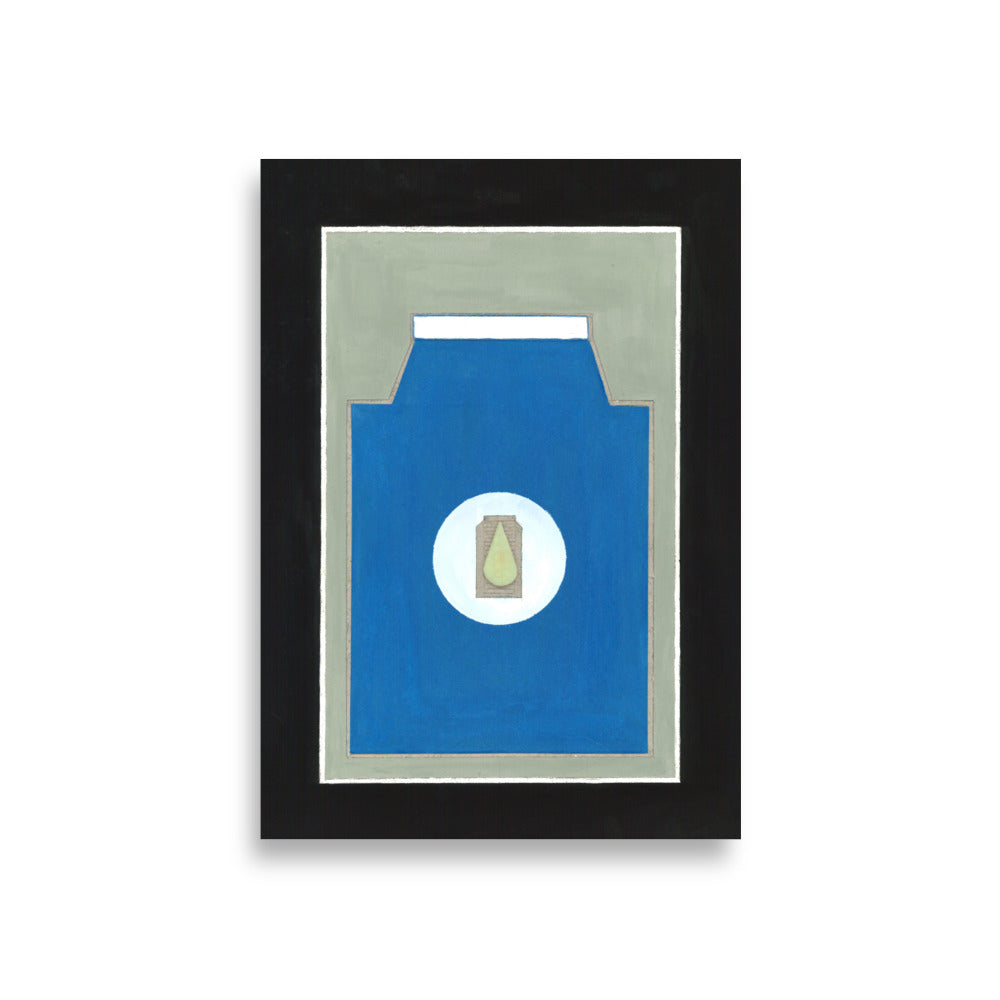
Some abstract cardboard sculptures evolve into ultra‑minimal poster designs. The A Drop Of Milk Poster (around 68,30 €) is based on a cardboard sculpture series where a simple milk bottle and glowing drop motif were originally modelled in monochrome board. The print compresses that 3D idea into a softly lit, graphic composition.
Geometric posters like Architectural Building Poster or Diamond Poster take cues from layered cardboard, even when they’re printed flat. Hard edges, implied depth, and clean lines echo the look of stacked sheets. This is an easy entry point if you love the language of cardboard reliefs but prefer ready‑to‑hang artwork.

6. Original Reliefs vs. Posters: Comparing Price, Texture, and Presence
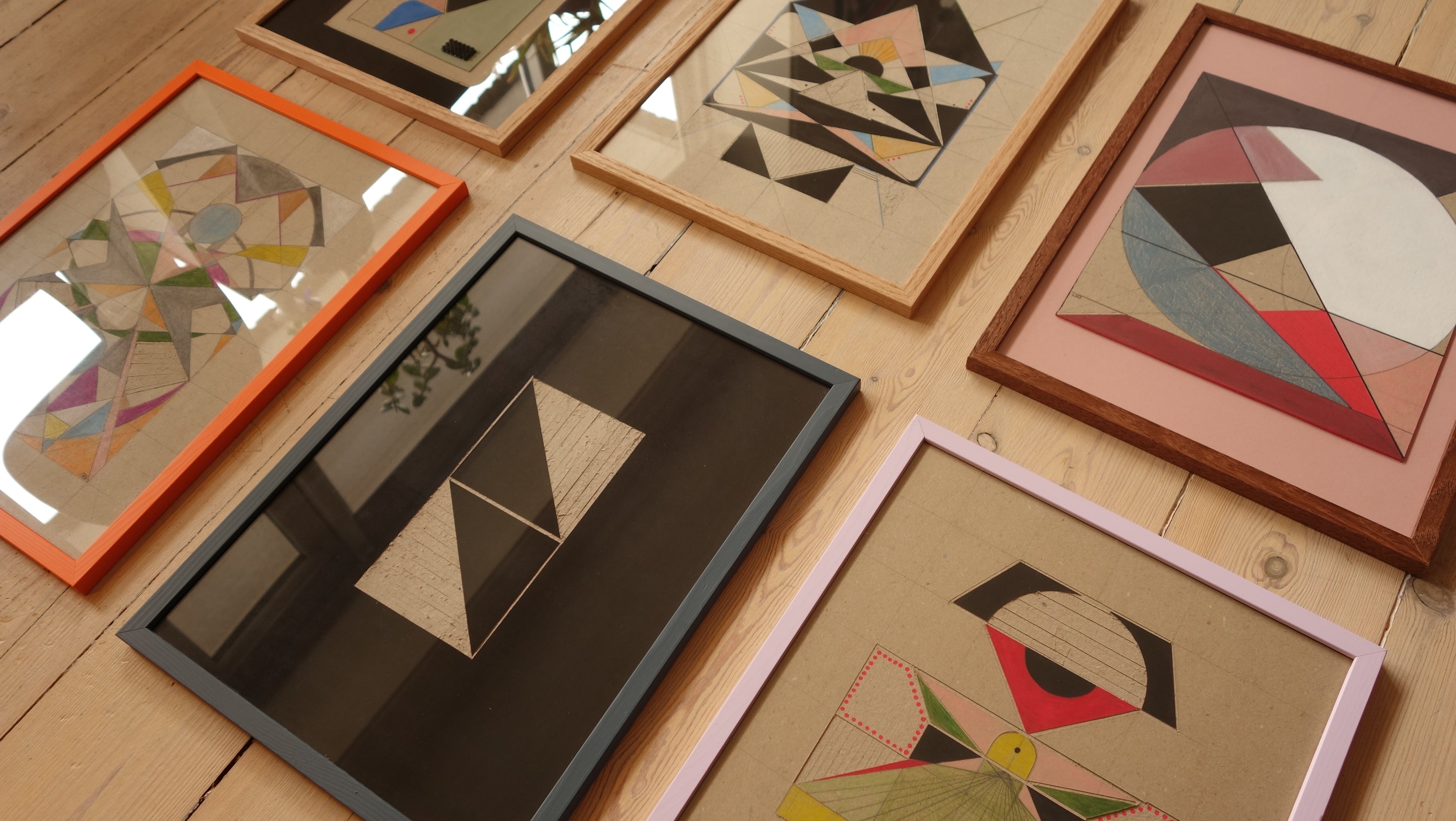
When you decide between an original abstract cardboard sculpture and a poster, you primarily trade texture for price. Original reliefs such as Geometric Artwork Original or Zig‑Zag Cardboard Artwork sit in the €340.00–€409.00 range, offering actual cut edges, physical shadows, and small surface variations that prints can only imitate.
Posters derived from these works, often priced near €69, keep the composition and general mood but flatten the tactile experience. They are ideal if you want the look of cardboard wall art DIY without committing to framing deeper pieces or budgeting for one‑of‑a‑kind originals.
| Type | Approx. Price | Depth / Texture | Best For |
|---|---|---|---|
| Original cardboard relief | €340.00–€409.00 | Real cut layers, sculpted shadows | Collectors, feature walls, statement pieces |
| Poster from cardboard artwork | €69 | Printed texture only | Budget‑friendly decor, gifts, renters |


7. DIY Cardboard Wall Art: Simple Ideas You Can Try at Home
If you want to experiment with diy cardboard wall art, start small. Cut a base from a shipping box, then add raised strips in simple zig‑zags, circles, or stacked rectangles. Seal the whole surface with a layer of newspaper paper mache to unify textures before painting with acrylics or linoleum‑style flat colours.
For an easy cardboard art project inspired by professional reliefs, try peeling off the top layers of cardboard in selected areas to reveal corrugation, then highlight that pattern with contrasting paint. You can also glue on small beads, buttons, or fused‑plastic shapes, echoing the “diamond” style use of added elements.

8. Cardboard Self Portraits and Masks: From Flat Faces to Sculptural Characters
Abstract cardboard sculpture isn’t limited to geometry; it also works well for faces and figures. You can build a cardboard self portrait by layering cut‑out facial planes—nose, cheekbones, brows—then softening everything with paper pulp or newspaper mache. Once painted, the result becomes a stylized relief rather than a realistic bust.
Artists like Lisa Ketty extend this idea into masks and creatures, mixing cardboard paste and pigments for expressive pieces. Works such as The 4 Eyed Mask, The Pink Lady paper pulp mask, or the blue figure pieces show how a simple cardboard base plus sculpted pulp can produce strong, character‑driven wall sculptures.


9. Playing with Paper Pulp and Plant Fibers in Cardboard Sculpture
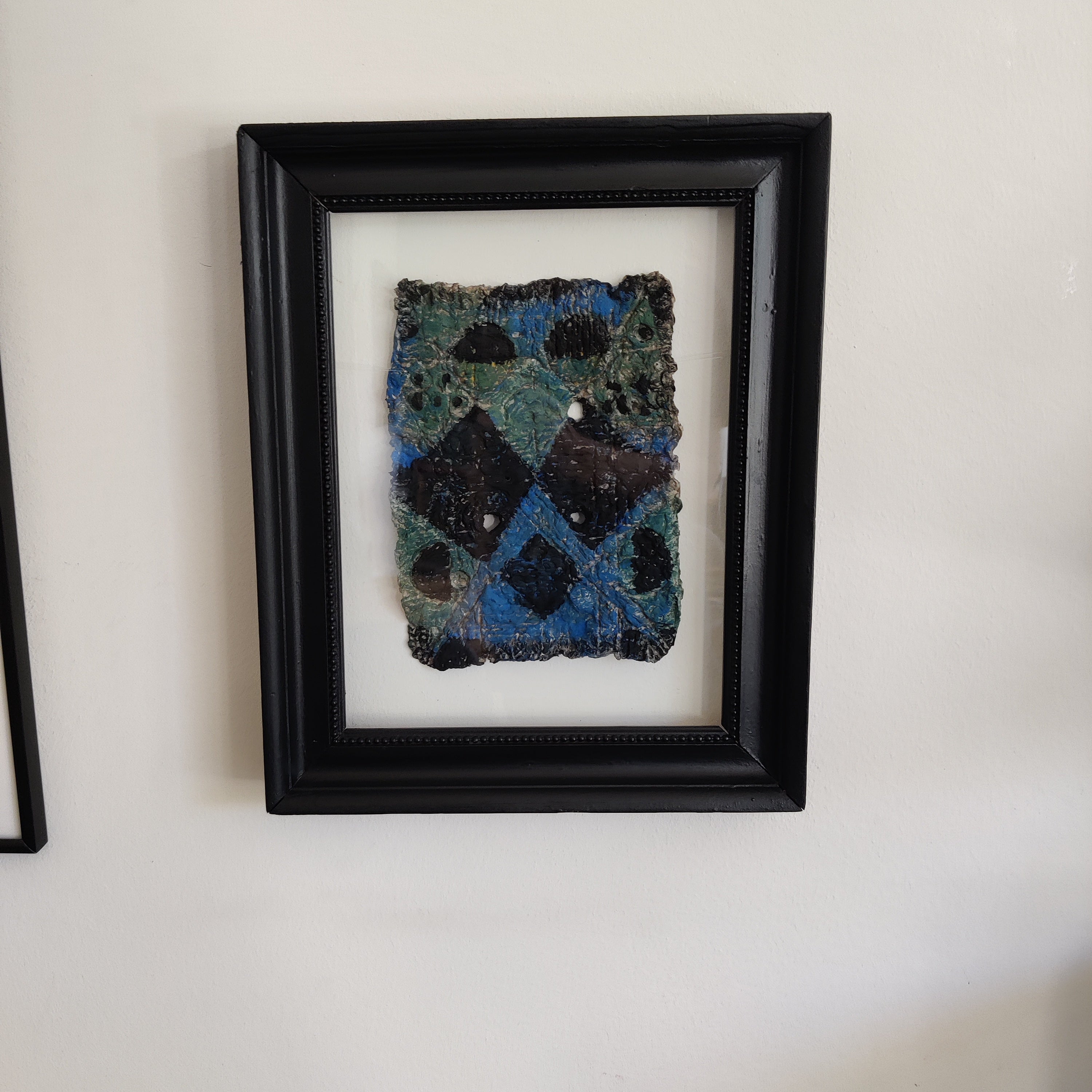
When you blend cardboard with paper pulp, you move closer to low‑relief sculpture traditionally done in plaster or clay. Pulp made from recycled paper and plant pulp can be pressed into carved recesses, rolled into thin cloth‑like layers, or modeled as raised motifs. Once dry, it sands and paints well, giving a refined finish to rough cardboard.
Pieces like Golden paper pulp wallart and the framed floating‑cloth works show how a thin skin of pulp over a hidden cardboard base can look weightless on the wall. You can adapt similar techniques at home by pressing pulp into negative spaces cut from cardboard, making your own abstract cardboard sculpture with a softer, fabric‑like surface.


10. Cardboard in the Kitchen and Everyday Spaces: Functional Abstract Decor
Abstract cardboard sculpture also works in everyday rooms, including kitchens and dining areas. Minimal prints derived from sculptural pieces—like A Drop Of Milk Poster or other food‑adjacent abstractions—sit comfortably above counters, coffee stations, or breakfast nooks. They hint at the tactile world of cardboard without risking grease or steam damage to a one‑off original.
You can also create your own cardboard wall art DIY for the kitchen by stylizing simple items such as bottles, cups, or fruit into geometric silhouettes, then stacking cut cardboard shapes. Finish with varnish or acrylic medium so the surface wipes clean, similar to how professional kitchen‑oriented prints are sealed and presented in curated artworks for the kitchen collections.


11. Where to Find Abstract Cardboard Sculpture and Support Sustainable Art
If you’d like to live with these textures without building everything yourself, artists like Lisa Ketty offer both originals and prints. The prints of the originals collection includes cardboard‑based posters such as Woman Or Bird Poster, Eight Poster, and Mask Art Poster, all rooted in sculptural compositions.
For those more drawn to tactile surfaces, explore framed reliefs in cardboard and paper‑pulp series, or ask questions directly through the studio’s contact channel at contact me. You can also check the paper type and print details before ordering via the dedicated paper type guide so your chosen artwork suits your space and lighting.


12. Abstract Cardboard Sculpture as Ongoing Practice: From First Cut to Collection
One of the strengths of abstract cardboard sculpture is how forgiving it is. You can start with off‑cuts and easy paper mache, then slowly move toward more complex reliefs and paper‑pulp pieces. Over time, you might build a whole wall of experiments—geometric, figurative, and textural—that grows into a personal collection.
If you’re curious about how artists sustain a long‑term practice in this medium, browsing recent works and behind‑the‑scenes posts in collections like minimalist artwork can give you realistic benchmarks for scale, color, and framing. Many of those pieces began as simple cardboard ideas not far from what you can build at home with scissors, glue, and a stack of saved boxes.


Conclusion
Abstract cardboard sculpture turns one of the most common waste materials into a serious art medium. Through cutting, layering, paper pulp, and simple newspaper mache techniques, artists create everything from subtle relief panels to bold mask‑like faces and poster‑ready compositions. Whether you buy a finished work or experiment with easy cardboard art at home, the barrier to entry is low while the creative potential is high.
If you decide to collect, you can explore originals, posters, and hybrid pulp pieces across curated galleries like the posters, prints, and visual artwork showcase. And when you’re ready to grow your own practice, that same recycled cardboard stack in the corner of your home stops being trash and starts becoming your next sculpture.