
Easy cardboard art is one of the most accessible ways to start making real, display-worthy artwork at home. With more than 33 million tons of cardboard recycled in 2024 alone, there is no shortage of free material for creative projects – from simple kids’ crafts to striking abstract cardboard sculptures that look right at home in a gallery. In this guide, you will learn how to turn old boxes, newspaper for paper mache, and even plant pulp into unique pieces of art you can hang, gift, or proudly keep forever.
Key Takeaways
| Question | Answer |
|---|---|
| What is the easiest way to start with easy cardboard art? | Begin with flat DIY cardboard wall art using cut shapes, glue, and simple paint. For inspiration, browse the Cardboard Original Artwork collection to see how layered pieces can look finished and professional. |
| How can I use newspaper paper mache with cardboard? | Use newspaper mache or construction paper mache over a cardboard base to build soft, organic shapes. If you like this tactile look, read more about pulp in this introduction to paper pulp. |
| Can cardboard art look like “real” art for the wall? | Yes. Textured pieces such as cardboard relief sculpture and plant-pulp wall pieces can look like high-end abstract works. See examples in the Abstract Wall Art collection. |
| Is cardboard art suitable for minimalist Scandinavian-style interiors? | Definitely. Simple shapes and limited colours feel very Scandinavian. For reference, explore the calm compositions in Minimalist Artwork and adapt those ideas with cardboard instead of canvas. |
| Where can I see examples of cardboard and paper pulp used by a professional artist? | Artist Lisa Ketty regularly works with cardboard and paper pulp. Her newest pieces are shown in the Latest Artwork collection, which can give you concrete ideas for your own easy cardboard art projects. |
| Can I get prints of original cardboard artworks instead of making my own? | Yes. If you prefer to decorate quickly, browse Prints of the Originals to see how cardboard and pulp-based designs translate into posters for your home. |
1. Why Cardboard Is Perfect for Easy, Modern Art at Home
Cardboard is light, easy to cut, and usually free, which makes it ideal for quick experiments and larger wall pieces. Because it is already structured in layers, it naturally lends itself to 3D effects and simple relief sculpture cardboard projects that even beginners can manage in an afternoon.
You can use it plain for a raw, industrial feel, or paint it with acrylics, linoleum ink, or even leftover house paint to create colourful, modern surfaces. Many contemporary artists combine cardboard with plant pulp or easy paper mache to build depth and texture, proving that “humble” materials can still look refined.


2. Simple Tools & Materials for Easy Cardboard Art (Including Paper Mache)
To get started, you only need a few basic tools: a craft knife or strong scissors, a cutting mat or old board, white glue or a glue stick, masking tape, and some paint. For softer shapes, mix newspaper for paper mache with water and glue or flour to create a paste that you can apply over your cardboard base.
You can also experiment with construction paper mache or plant pulp to get rougher, more sculptural textures. For a deeper dive into mixing and handling pulp, see the step‑by‑step guidance in this complete paper pulp art guide, then adapt the methods onto sturdy cardboard backings.


3. Easy Cardboard Wall Art DIY: Layered Shapes & Geometric Designs
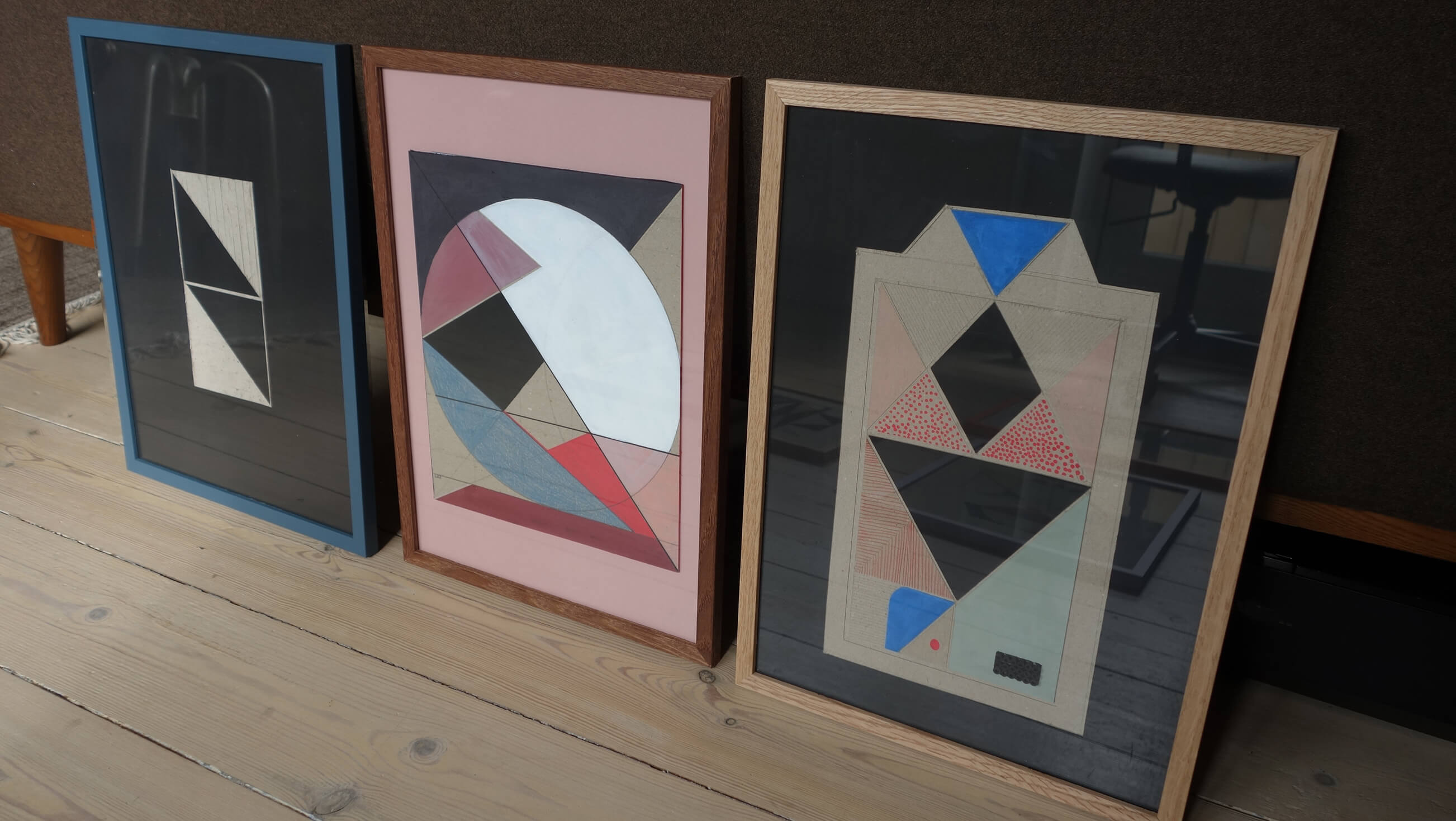
One of the quickest projects is DIY cardboard wall art made from stacked geometric shapes. Cut triangles, circles, and rectangles from delivery boxes, then glue them onto a backing board, slightly overlapping to create a subtle cardboard relief sculpture effect.
Paint each shape with a limited colour palette, or leave some raw cardboard exposed for contrast. For design ideas, look at strong, graphic compositions like the Geometric Artwork Original, which is a 30×40 cm cardboard piece painted with linoleum and acrylic, and sold for around 400 in a typical European gallery context.


4. Turning Cardboard into Abstract Relief Sculptures
If you enjoy more tactile projects, try building an abstract cardboard sculpture by stacking and bending strips of cardboard into waves, zig-zags, and folded ridges. Glue these onto a backing board to create a cardboard relief sculpture that casts interesting shadows on your wall.
A good example is the Zig-Zag Cardboard Artwork, a 50×50 cm piece with a strong 3D effect, framed in dark oak and priced around 480 in a European context. Study how the repeated zig-zag structure creates rhythm; you can get a similar feel by layering repeated folded strips from any sturdy box.


5. Easy Paper Mache on Cardboard: From Newspaper to Plant Pulp
Paper mache over cardboard is a forgiving technique, perfect if you are new to sculptural work. Start with a flat or slightly raised cardboard form, then add layers of newspaper paper mache dipped in glue or flour paste. Allow each layer to dry before adding the next to prevent warping.
You can also make your own plant pulp by soaking shredded cardboard, newspaper mache scraps, or egg boxes, then blending them with water. Press this pulp onto cardboard backings to build up thick, stone-like textures similar to handcrafted reliefs such as Ancient Handmade Paper Clay Relief Art.


6. Cardboard Self-Portraits and Masks Using Newspaper Mache
A playful way to explore easy cardboard art is to create a cardboard self portrait or mask. Cut a basic face shape from cardboard, then build up the nose, brows, and lips with newspaper mache or construction paper mache, letting the layers dry between sessions.
You can paint the result realistically or in bold, abstract colours. Pieces like The Pink Lady paper pulp mask and The 4 Eyed Mask show how exaggerated features and strong colour blocks give personality, even when the base is just cardboard and pulp.


7. Using Cardboard and Pulp for Sculptural Wall Pieces
If you like the idea of combining painting and sculpture, try building low-relief wall pieces where cardboard shapes rise from the surface and are then coated with pulp. This approach is visible in works like Geometric Resonance, an A4 artwork with textured paper clay forms on a coloured background, priced around 144 in a European setting.
Similarly, works such as The paper pulp floating cloth framed and Volcano Part show how thick pulp on a firm support can behave like fabric or rock. You can recreate this at home by layering plant pulp over cut cardboard silhouettes, then painting once completely dry.


8. Minimalist & Scandinavian-Inspired Easy Cardboard Art
If your taste leans minimalist, you can still use easy cardboard art without overwhelming your space. Focus on clean lines, lots of negative space, and limited colours, similar to Scandinavian poster designs.
Look at works like Woman Or Bird Poster or A Drop Of Milk Poster for composition ideas: a few simple shapes, strong silhouettes, and calm backgrounds. You can cut comparable forms from cardboard, paint them in muted tones, and mount them on a neutral board for simple yet sophisticated cardboard wall art DIY.


9. Playful and Narrative Cardboard Art for Kids & Kitchens
Cardboard also lends itself to storytelling pieces that work well in children’s rooms or kitchens. Simple characters, bottles, animals, or spaceships can all start from cut cardboard, then be finished with paint, newspaper mache, or plant pulp details.
For example, you can see narrative ideas in works like Milk bottle with the drop of light or the quirky cardboard spaceship shape echoed in the Cardboard Spaceship arrow. These pieces show how a basic silhouette plus a few colours can read clearly from a distance, ideal for busy spaces like the kitchen.


10. From Easy Cardboard Art to Collectible Pieces: Learning from Finished Works
Looking at finished artworks can help you understand composition, colour, and texture in your own projects. Works such as the Original Diamond cardboard artwork (A3 size, with layered linoleum paint and valued around 400) show how simple geometric motifs can feel precious when carefully executed.
Other examples like Rabbit Man original artwork, A Blue Devil (made to scare evil away), or Blue Penguin Poster demonstrate how playful characters can be stylised yet still rooted in basic cardboard and pulp techniques. As you gain confidence, you can move from quick easy cardboard art studies to more ambitious pieces that feel ready for framing.


11. Tips to Keep Your Easy Cardboard Art Durable and Display-Ready
To make sure your cardboard pieces last, seal them with a clear varnish or acrylic medium once the paint and newspaper mache are fully dry. This helps protect against moisture and dust, especially for kitchen or bathroom pieces.
Mount your finished works on a firm backing and consider framing them behind glass for a more polished look, as seen in works like Geometric Artwork Original and similar framed pieces. For more context on the artist, you can read about her approach and material choices on the About Lisa Ketty page and adapt those ideas to your own practice.

Conclusion
Easy cardboard art proves that you do not need expensive materials to create striking, personal artwork. With nothing more than recycled boxes, newspaper mache, and optionally plant pulp, you can make everything from flat diy cardboard wall art and minimalist pieces to expressive masks and richly textured reliefs.
Start small: cut a few shapes, glue them into a simple cardboard relief sculpture, and paint with whatever colours you already have at home. As you practice, study professional examples like those in the cardboard and paper-pulp collections, and you will quickly see how your own easy cardboard art can grow into a genuinely unique, gallery-worthy style.