
Newspaper is the classic material for papier-mache, but not all paper behaves the same once it’s soaked in glue or paste. If you’ve ever had lumpy layers, weak structures, or print that keeps bleeding through your paint, the type of paper you choose is almost always the reason.
This guide explains how to pick and use newspaper for paper mache, how it compares to other papers, and how artists turn simple recycled paper into striking sculptural work and wall art. You’ll also see real examples from paper-pulp and cardboard artworks to inspire your next build.
Key Takeaways
| Question | Short Answer |
|---|---|
| 1. What is the best newspaper for paper mache? | Uncoated, thin, matte newspaper with low ink coverage is best. Avoid glossy inserts and heavy magazine paper. |
| 2. Can I mix newspaper with other recycled paper? | Yes. Many artists mix newspaper with cardboard and scrap paper pulp, similar to the approach described in this overview of paper pulp, to get more texture and strength. |
| 3. How many layers of newspaper do I need? | For masks and small sculptures, 4–8 layers of newspaper strips are common. For sturdier wall art, you can go higher and later refine with a pulp layer like in many paper-pulp artworks. |
| 4. Why does my newspaper paper mache wrinkle or sag? | Too much liquid in the paste or very soft, weak paper. Use slightly thicker newsprint and remove excess paste with your fingers before applying. |
| 5. How do artists turn newspaper into wall-worthy pieces? | They shred or pulp recycled paper, build it up over cardboard or board, then paint and frame it, much like the works in cardboard original artwork collections. |
| 6. Is newspaper paper mache eco-friendly? | Yes. It reuses waste paper and pairs well with recyclable supports like cardboard. Guides such as this complete paper-pulp art guide build on the same idea. |
| 7. Where can I see advanced examples beyond simple newspaper crafts? | Look at artist-made paper pulp and cardboard reliefs, masks, and wall pieces in paper-pulp original artwork collections to see how far simple paper can go. |
1. Why Newspaper Works So Well for Paper Mache
Newspaper has three big advantages for paper mache: it’s thin, absorbent, and usually free. Those qualities help it soften quickly in paste, curve easily around forms, and dry into surprisingly strong shells.
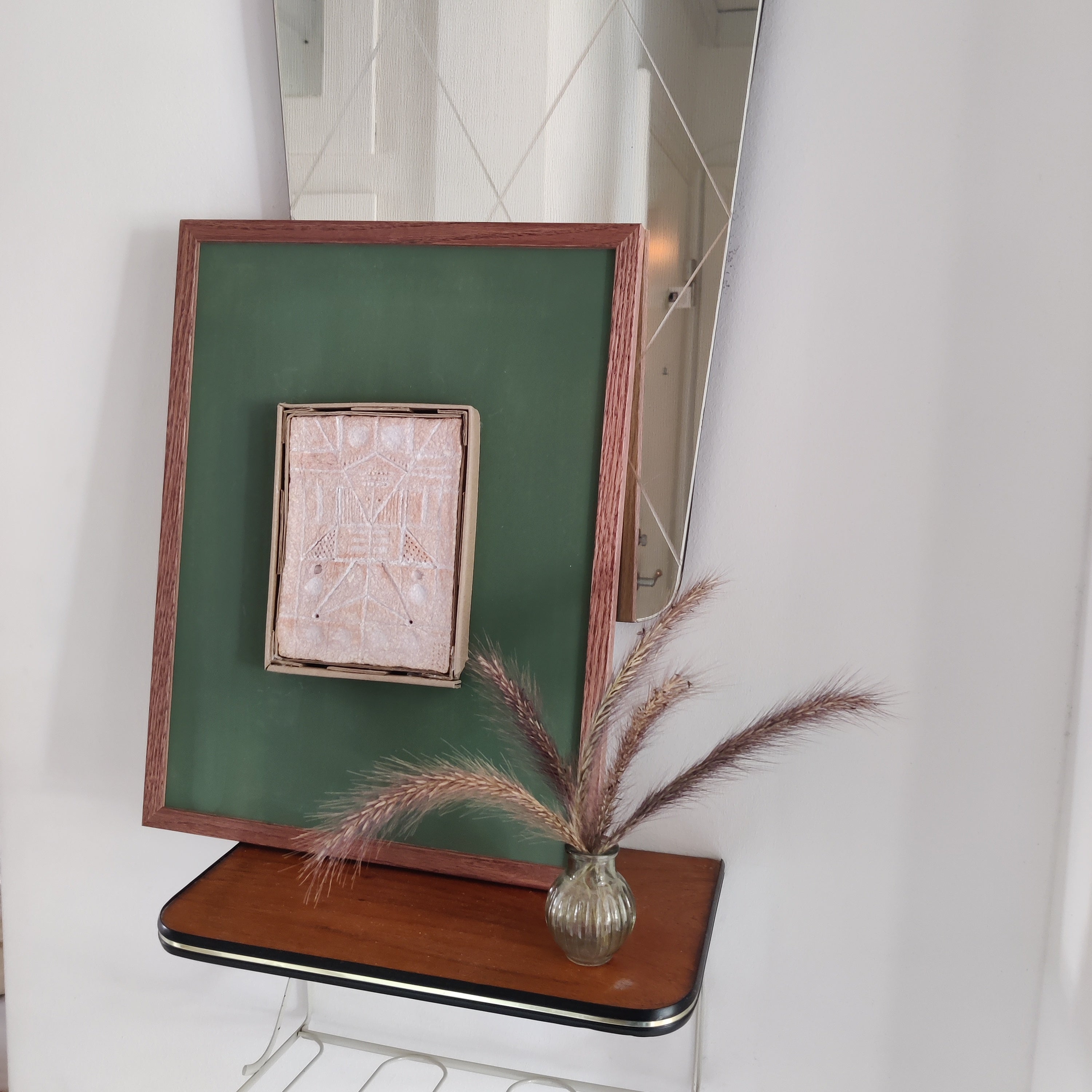
Unlike glossy magazine pages, normal newsprint lets glue soak through, bonding layer to layer instead of just sitting on the surface. That’s the same basic principle behind more advanced paper-pulp art, where shredded or pulped paper is compressed into reliefs and sculptures.

2. Best Types of Newspaper for Smooth, Strong Paper Mache
Not every page in the Sunday paper belongs in your paste bowl. For clean, easy-to-paint results, focus on lightweight newsprint that feels slightly rough and bends without cracking.
Try to avoid:
- Glossy advertising inserts (too slick, resist glue).
- Heavily inked photos (ink can bleed through your paint).
- Very brittle, yellowed paper that tears into dust when wet.

3. Newspaper vs Other Papers for Paper Mache (Toilet Paper, Cardboard, etc.)
Many crafters ask whether toilet paper, printer paper, or cardboard are “better” than newspaper. The answer depends on what you’re making. For classic strip layering, newspaper is still the easiest option, but for sculptural reliefs you often want a mix.
| Paper Type | Best Use | Pros | Cons |
|---|---|---|---|
| Newspaper | Strip layering over balloons, masks, basic forms | Thin, cheap, dries fairly strong | Print may show, surface can stay slightly fibrous |
| Toilet paper / tissue | Smooth finishing layer, fine pulp details | Very soft, smooth finish | Weak alone, shrinks a lot |
| Cardboard | Bases, armatures, structural backplates | Strong, flat, easy to cut into shapes | Too stiff for strip layering by itself |
Many contemporary paper-pulp artworks use the strength of cardboard plus the skin-like coating of pulped paper, echoing what you can do at home with layered newspaper and a cardboard base.


4. Preparing Newspaper for Paper Mache: Strips vs Pulp
Newspaper Strips
For masks, piñatas, and simple sculptures, cut or tear newspaper into strips about 2–3 cm wide. Torn edges blend more smoothly than scissor-cut edges because the fibers overlap.
Dip each strip into your paste, pull it between two fingers to remove excess, and smooth it onto your form. Alternate direction with each layer for stability.
Newspaper Pulp
If you want textures similar to high-relief paper art, soak shredded newspaper in warm water for several hours, then blend or hand-mash into pulp. Mix it with glue to get a clay-like mass you can press, carve, or build up over cardboard.
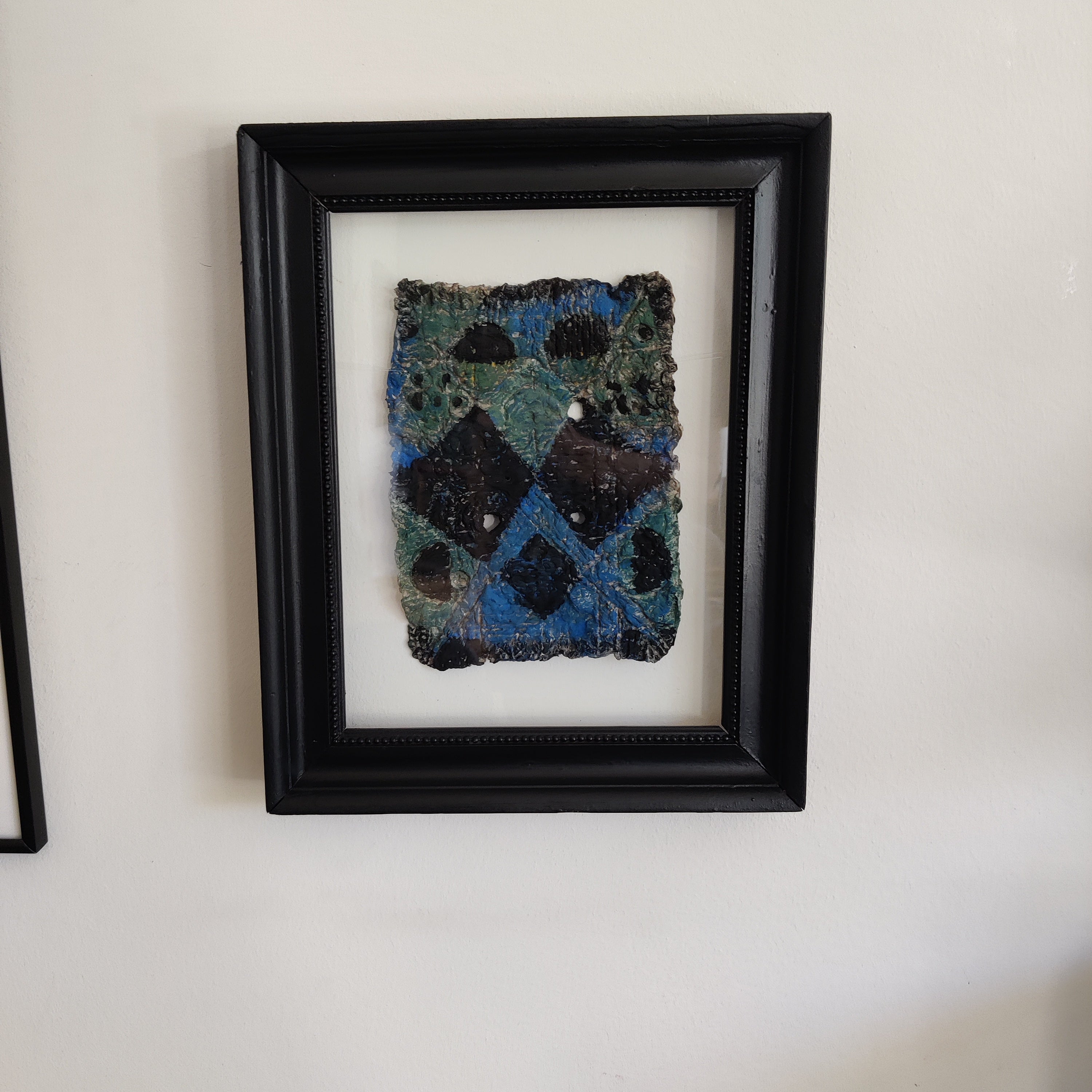
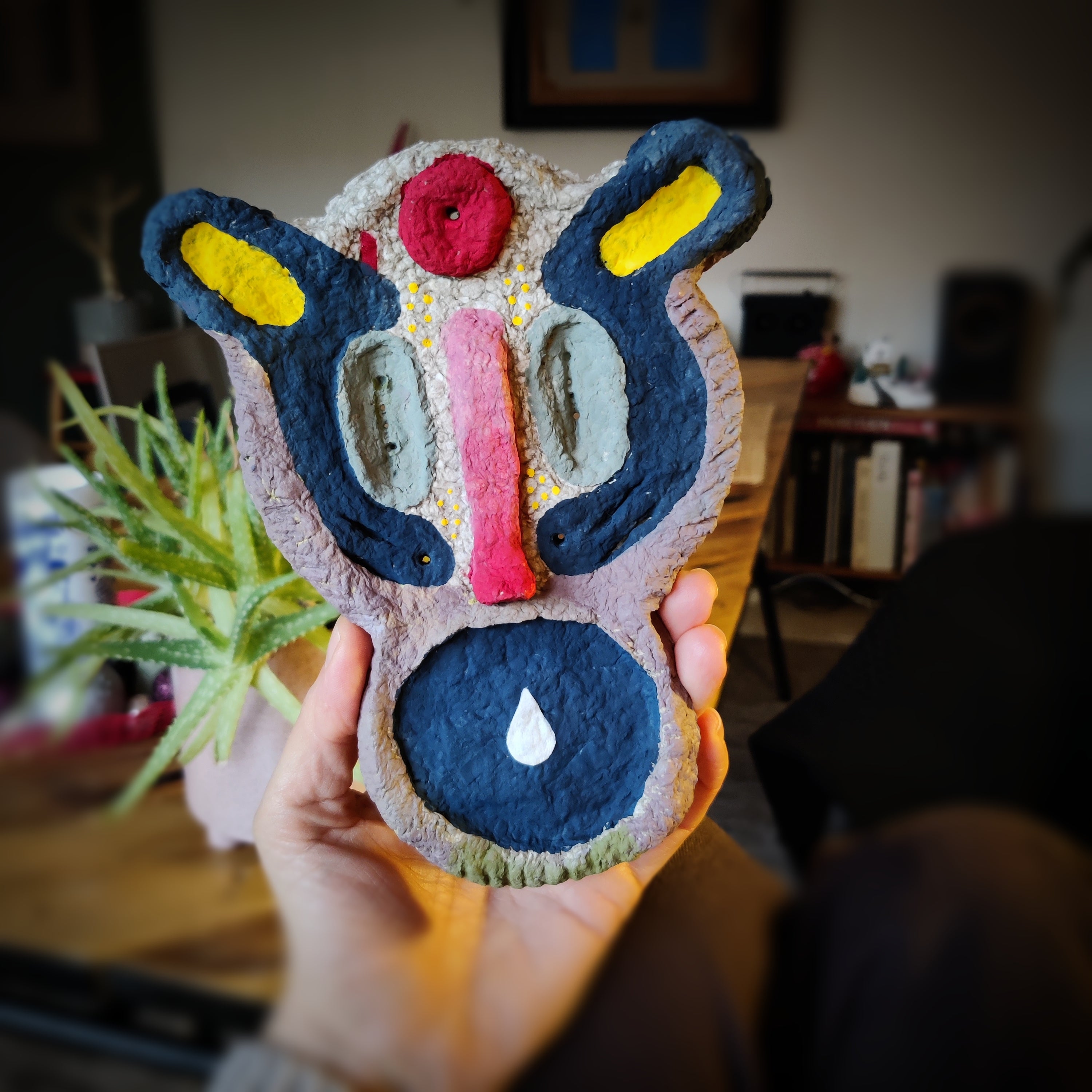
This technique is at the core of many paper-pulp wall pieces and masks, where recycled paper becomes a sculptural surface, not just a skin of strips.
5. Building Strong Bases: Combining Newspaper with Cardboard
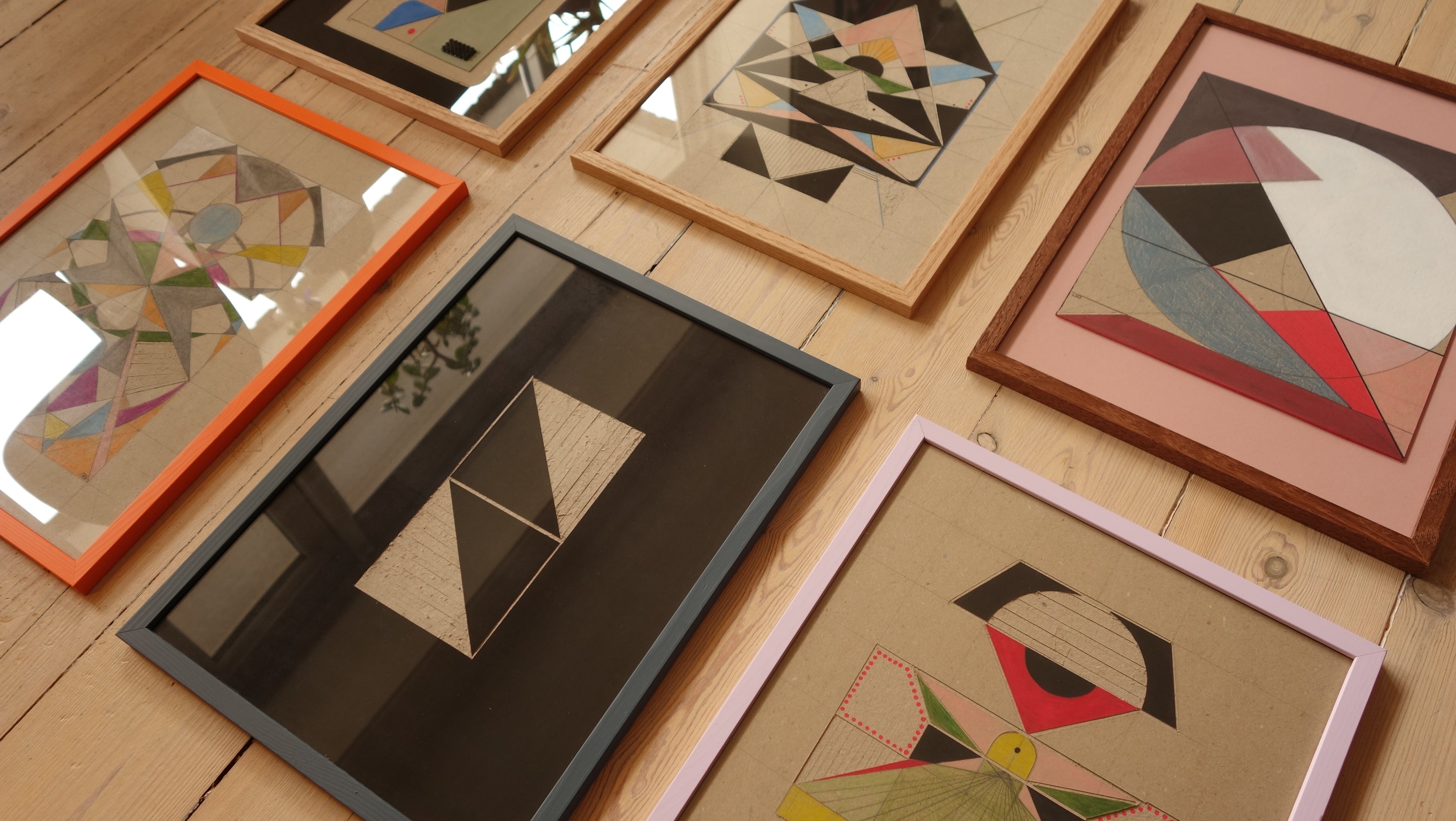
Newspaper by itself is flexible, which is great for curves but less ideal if you want flat, sturdy wall art or long-lasting sculptures. This is where cardboard comes in. A cardboard base with newspaper mache on top behaves a lot like the support behind many cardboard-and-paper reliefs.
For example, you can cut geometric shapes, boxes, or silhouettes from cardboard, tape them together, then cover them in layers of newspaper strips. Once dry, this creates a rigid object ready for paint and detail, much like many modern cardboard artworks.

6. Layering Newspaper for Masks and Figurative Faces
Masks are one of the most satisfying uses for newspaper paper mache. Start with a base (a balloon, foil sculpt, or plastic mask), then add several criss-crossed layers of newsprint strips. Once dry, you can sand slightly, then add a layer of finer pulp or tissue for smoother features.
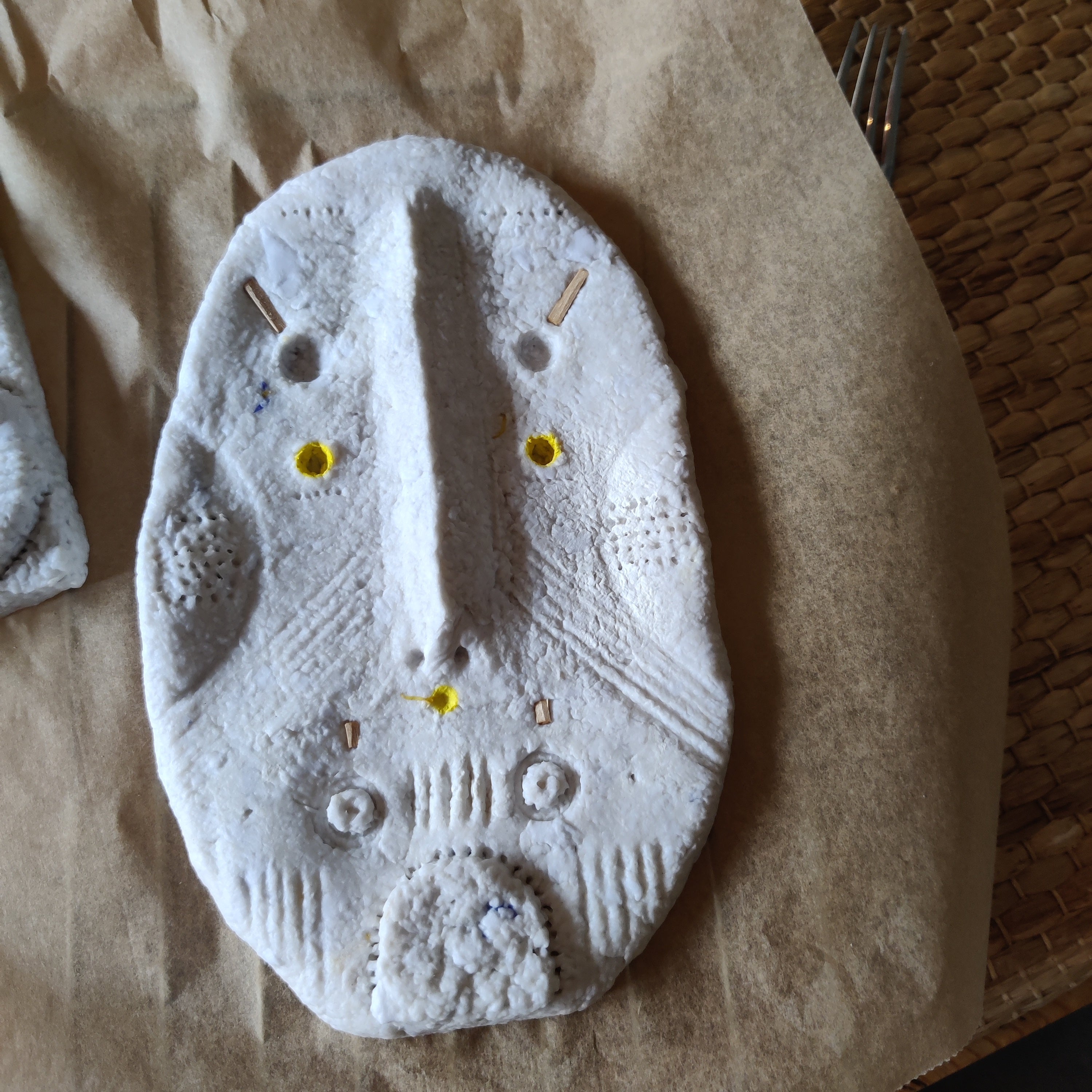
Artists often move from classic newspaper masks into more experimental paper-pulp faces. You can see how a flat mask form becomes expressive sculpture by adding thicker pulp elements, embedded objects, and bold paint.

7. Turning Newspaper Paper Mache into Abstract Wall Reliefs
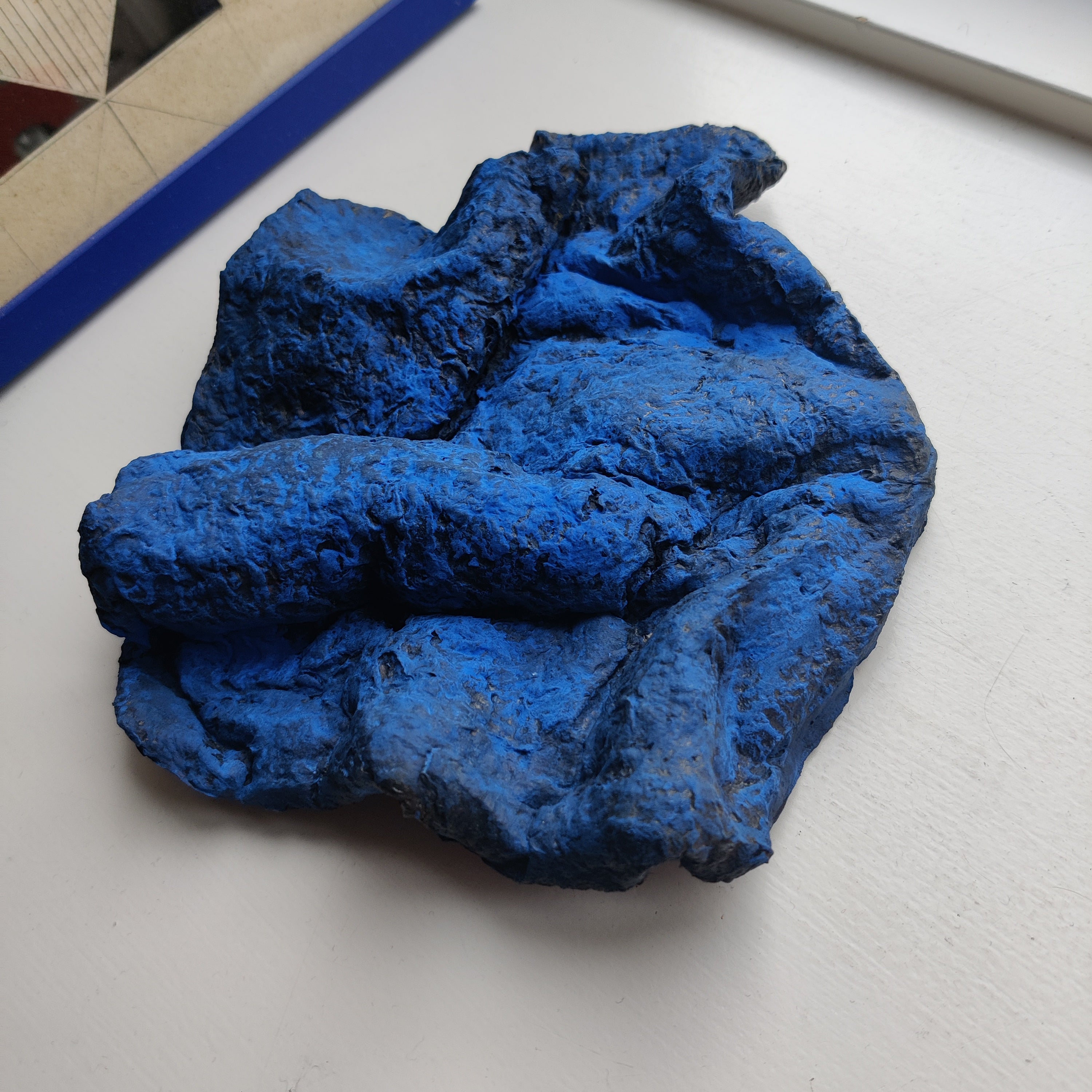
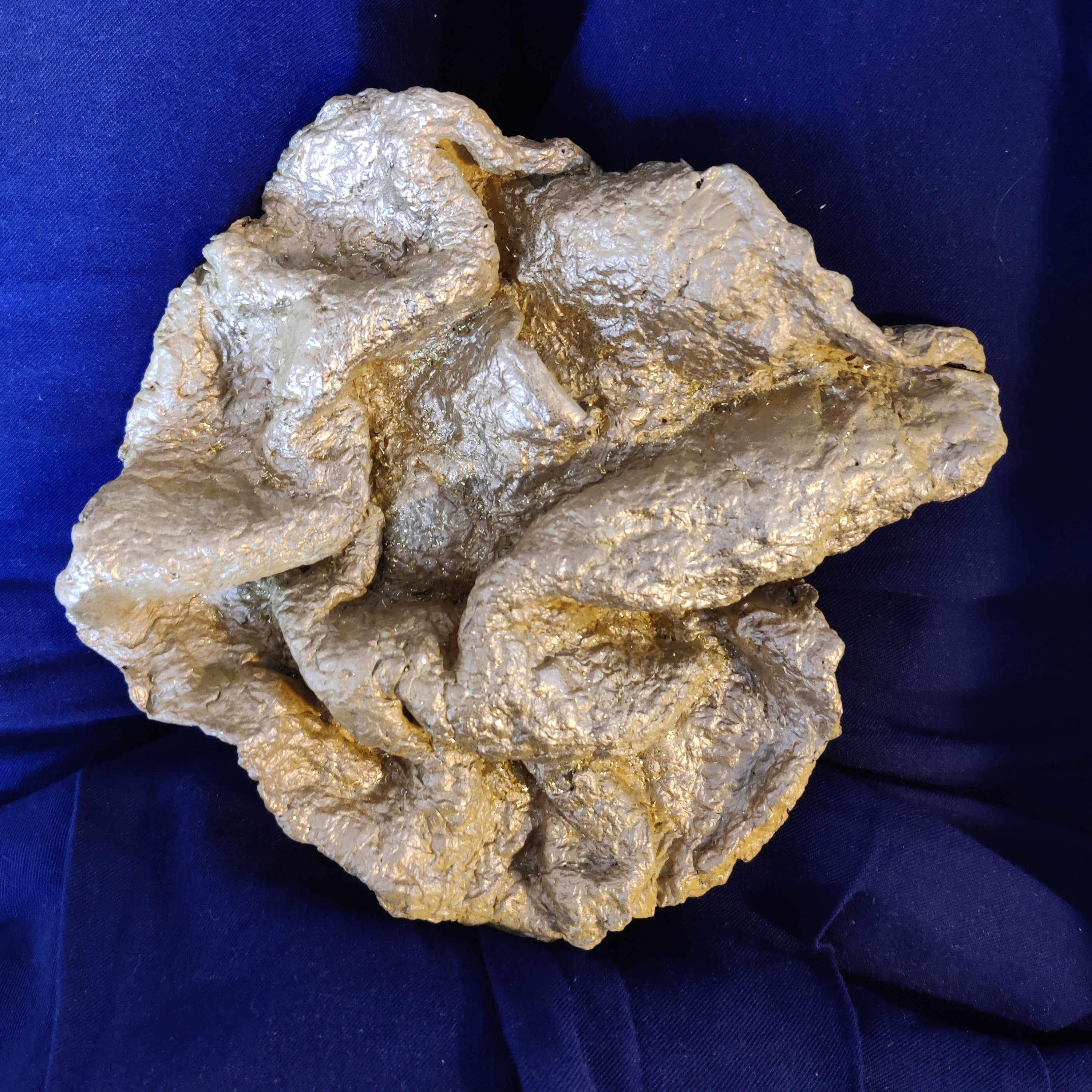
If you enjoy building up layers of newspaper and paste, you’re already close to creating abstract relief wall art. Instead of covering a balloon, apply strips or pulp directly onto flat cardboard or wood to form ridges, folds, and “landscapes” of paper.
After drying, sand lightly and paint with acrylics or linoleum paints to emphasize shadows and texture. This approach echoes many abstract relief works where recycled paper and cardboard combine into sculptural panels.
8. Newspaper, Paper Mache, and Cardboard: Creative Project Ideas
Once you understand how newspaper behaves with paste, you can shift from simple school projects to more ambitious pieces. Several project ideas combine newsprint layers with stronger cardboard structures to get sculptural effects while still using simple, recycled materials.
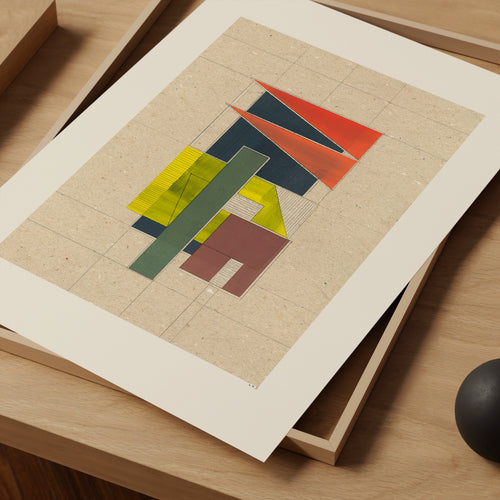
- Geometric wall panels: build raised shapes from cardboard, cover with newspaper mache, then paint in blocks of color.
- Small sculptural “totems”: stack cardboard pieces, wrap them in newspaper strips, and carve or sand once dry for crisp edges.

9. From Newspaper Paper Mache to Refined Paper-Pulp Art
Newspaper is often the first step towards more refined paper-pulp work. As you move from strips to pulp, you can introduce stronger cardboard bases, thicker sculptural layers, and more deliberate textures. This is how simple craft materials evolve into gallery-ready pieces.
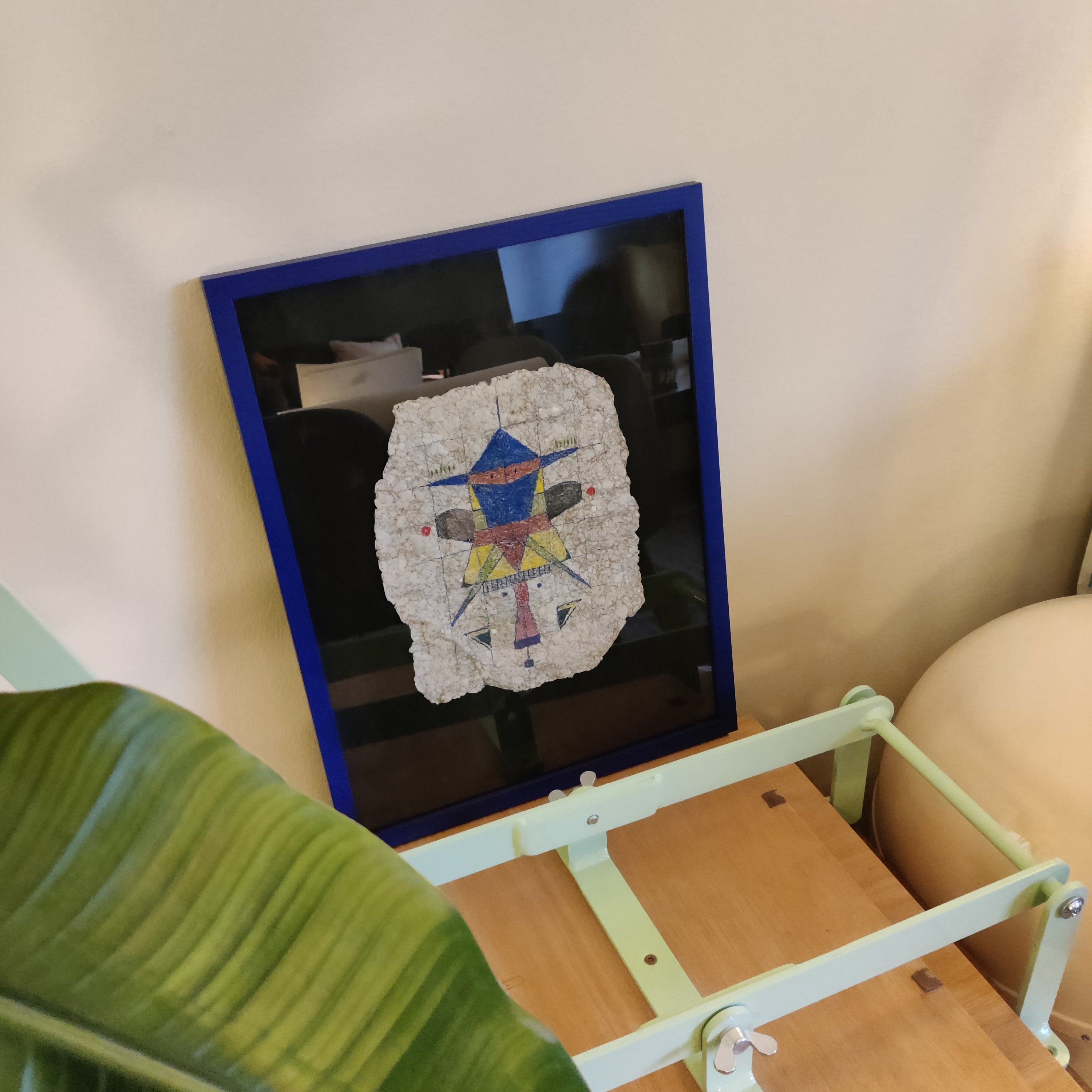
For example, a figure or character built from layered paper over a black cardboard background, then framed, shows how recycled paper can look polished when composed thoughtfully and finished with paint.
10. Painting and Finishing Newspaper Paper Mache so the Print Disappears
One of the most common frustrations with newspaper paper mache is that the text still shows after painting. To avoid that, let your piece dry completely, then seal it with a primer or a thin layer of white acrylic before adding color.
Many artists use linoleum or acrylic paint on top of primed paper-pulp surfaces to get saturated color and crisp contrast. This step is where the humble newspaper base disappears and the work begins to look like a solid sculptural object.


Conclusion
Newspaper remains one of the most practical and versatile materials for paper mache because it is thin, absorbent, and easy to layer. Used with a simple paste, it forms the foundation for everything from school projects to complex reliefs and masks.
As you get comfortable with strips and pulp, you can combine newspaper with cardboard bases, refine surfaces, and experiment with paint and framing. That same journey—from humble recycled paper to sculptural wall art—underpins many contemporary paper-pulp and cardboard works, proving that a stack of old newspapers can be the starting point for surprisingly sophisticated art.